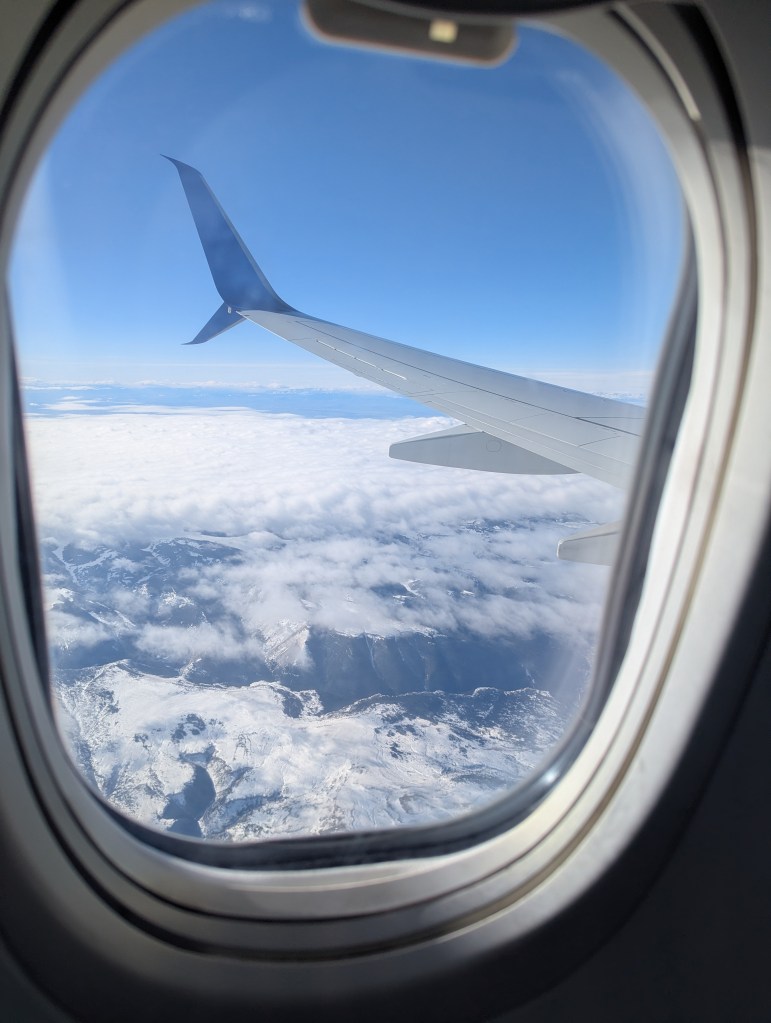
I didn’t always prioritize comfort when I traveled.
I used to think exhaustion was just part of flying.
That stiff neck? Normal.
The swollen ankles? Expected.
Landing foggy and drained? Just what happens after a long flight.
But after a few trips where I had less than 48 hours to feel human again, I realized something:
Comfort isn’t a luxury when you travel. It’s strategy.
Now I travel very differently — especially on long flights and when crossing time zones.
These are the exact tools and habits that changed how I feel when I land.
The Shift That Changed My Travel Days
The turning point wasn’t dramatic.
It was one long-haul flight where my feet didn’t touch the ground properly. My lower back ached for hours. I couldn’t sleep. By the time we landed, I felt like I had already lost a day of my trip.
That’s when I started paying attention to small, practical fixes.
Not glamorous upgrades.
Not first-class seats.
Just smart adjustments.
1. The One Thing That Made Long Flights Bearable
Proper Leg Support
Most airplane seats don’t support your legs well — especially if you’re not tall.
I didn’t realize how much that affected my lower back until I tried using a simple foot sling.
It hooks onto the tray table and lets your feet rest at a comfortable height. That tiny shift takes pressure off your hips and spine.
👉 This is the foot sling I use.
What I like about it:
- Folds flat
- Takes seconds to set up
- Makes economy seats feel less rigid
If you prefer something more structured, this style of adjustable airplane footrest is sturdier and better for long international flights.
👉 Compare this footrest option here.
I genuinely don’t board long flights without one now.
If you want the full breakdown, I explain it here:
👉 The Best Foot Sling for Comfortable Airplane Travel
2. Compression Socks: The Thing I Used to Skip
I resisted these for years.
They sounded clinical. Overkill.
Then I tried them on a 6+ hour flight.
The difference when I landed. Noticeable.
No heavy legs. No tight calves. Less swelling.
What to look for:
- 15–20 mmHg compression
- Breathable fabric
- Neutral color if you want them to blend into your outfit
👉 These are the compression socks I travel with.
3. Building an Outfit, You Can Actually Sleep In
This was another mistake I used to make — dressing for the airport aesthetic, not the flight itself.
Now I choose:
- Stretch joggers
- Soft breathable tops
- A wrap or light layer
My go-to travel joggers are soft enough to sleep in but structured enough to look pulled together.
👉 See the joggers I never travel without.
I break down my full travel-day formula here:
👉 The Travel-Day Pieces I Always Reach For
4. The 3-Part System That Helps Me Sleep on Planes
Sleeping upright is unnatural. So, you have to control what you can.
For me, that means fixing three things:
Neck Support
Without it, my head falls forward and I wake up instantly.
I use a memory foam travel pillow that supports my chin without forcing my head back.
👉 This is the neck pillow I bring on most flights.
Light Control
Cabin lights + screens + sunrise mid-flight = no sleep.
A contoured sleep mask made a bigger difference than I expected.
👉 This is the sleep mask I keep in my personal bag.
5. Time Zone Strategy (Instead of Forcing Sleep)
When I cross time zones, I don’t try to “win” jet lag anymore.
I support the transition.
Here’s what works for me:
- Hydrate more than you think you need
- Take short rest breaks instead of long naps
- Use a sleep mask to control light exposure
- Get outside as soon as possible after landing
If adjusting your sleep has been difficult, I share more here:
👉 Sleeping While Traveling Through Different Time Zones
6. Keeping Everything Accessible (So You Actually Use It)
Comfort items only help if you can reach them easily.
I keep all of mine in one packing cube inside my personal item.
That way I’m not digging through a suitcase mid-flight.
👉 These are the packing cubes I use.
And this is the backpack that fits everything comfortably without feeling oversized:
👉 My Go-To Travel Backpack
Keeping comfort items together makes travel days feel calmer immediately.
My Full Airplane Comfort Setup (Quick Reference)
If you want the exact checklist:
Seat Comfort:
- Foot sling
- Compression socks
- Stretch joggers
Sleep Setup:
- Neck pillow
- Sleep mask
- Light wrap
Organization:
- Packing cubes
- Travel backpack
None of these are luxury items.
But together, they completely change how a long flight feels.
Why I Share These Specific Items
There are thousands of travel products online.
I don’t buy everything.
These are simply the pieces I’ve tested repeatedly and now repack automatically.
If I stop bringing something, I don’t link it.
Comfort isn’t about spending more — it’s about choosing better.
Final Thoughts
Travel will always involve long hours, dry air, and disrupted sleep.
But you don’t have to arrive depleted.
A few intentional, comfort-focused choices make a noticeable difference — especially when your trip is short and you don’t have days to recover.
The goal isn’t luxury.
It’s landing steady enough to enjoy where you are.
Affiliate Disclosure
Some links shared on Travel Comfort and Style may be affiliate links. As an Amazon Associate, I earn from qualifying purchases—at no extra cost to you. Thank you for supporting my travels!

 Travel Comfort and Style
Leave a comment